
Hume Band 2.0 Review: Is the Subscription-Free Longevity Tracker Worth It?
The Hume Band 2.0 packs a broad biomarker suite into a one-time-purchase wearable that undercuts a year of subscription-based competitors.
Marcus Webb
4.8 / 5
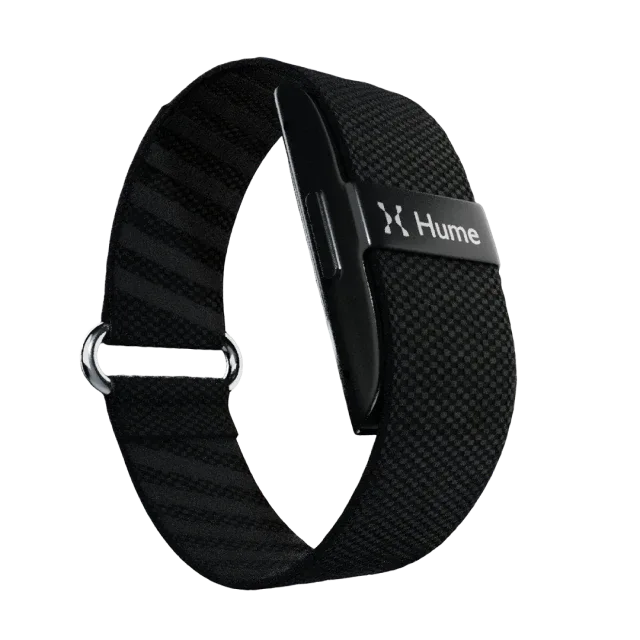
Most fitness trackers tell you how hard you worked out. The Hume Band 2.0 is trying to answer a different question: how is your body actually aging, and what’s working against it? It’s a wrist-worn health tracker built around biomarkers most wearables ignore, like blood pressure trends, metabolic capacity, and a proprietary “Metabolic Momentum” score. And it’s sold as a one-time purchase instead of the monthly subscription that competitors like Whoop lock their data behind.
What it is, and who it’s for
The Hume Band 2.0 is Hume Health’s second-generation tracker: a slim band with five LEDs and four photodiodes that continuously logs heart rate, heart rate variability, blood oxygen (SpO2), skin temperature, sleep stages, and blood pressure trends, all summarized in a free companion app. It’s rated IP68 for dust and water resistance (up to 1 meter for two hours), claims up to 14 days of battery life, and pairs with an optional Hume Pod for body-composition scanning.
It’s aimed less at athletes chasing PRs and more at people who want an early-warning system for cardiovascular and metabolic health. Think of the user who’d rather catch a worrying trend in resting heart rate or blood pressure months before it becomes a doctor’s appointment.
Key features
- No mandatory subscription. Unlike Whoop or Oura, the core metrics (HRV, sleep stages, SpO2, blood pressure trends, “Metabolic Capacity” and “Metabolic Momentum” scores) are included with the one-time hardware purchase. An $8.99/month Premium tier adds AI-driven coaching on top, but it’s optional.
- Blood pressure trend tracking, new to the 2.0 model: cuff-free, continuous readings rather than isolated spot checks.
- 14-day battery life (per Hume’s spec sheet), a meaningful jump from most smartwatches that need nightly or every-other-day charging.
- UltraLux strap and a redesigned, lower-profile build compared to the original Band.
- Data ownership. Hume markets exportable data with no membership lock-in, a real differentiator versus ecosystems where your history disappears if you cancel.

Real-world performance
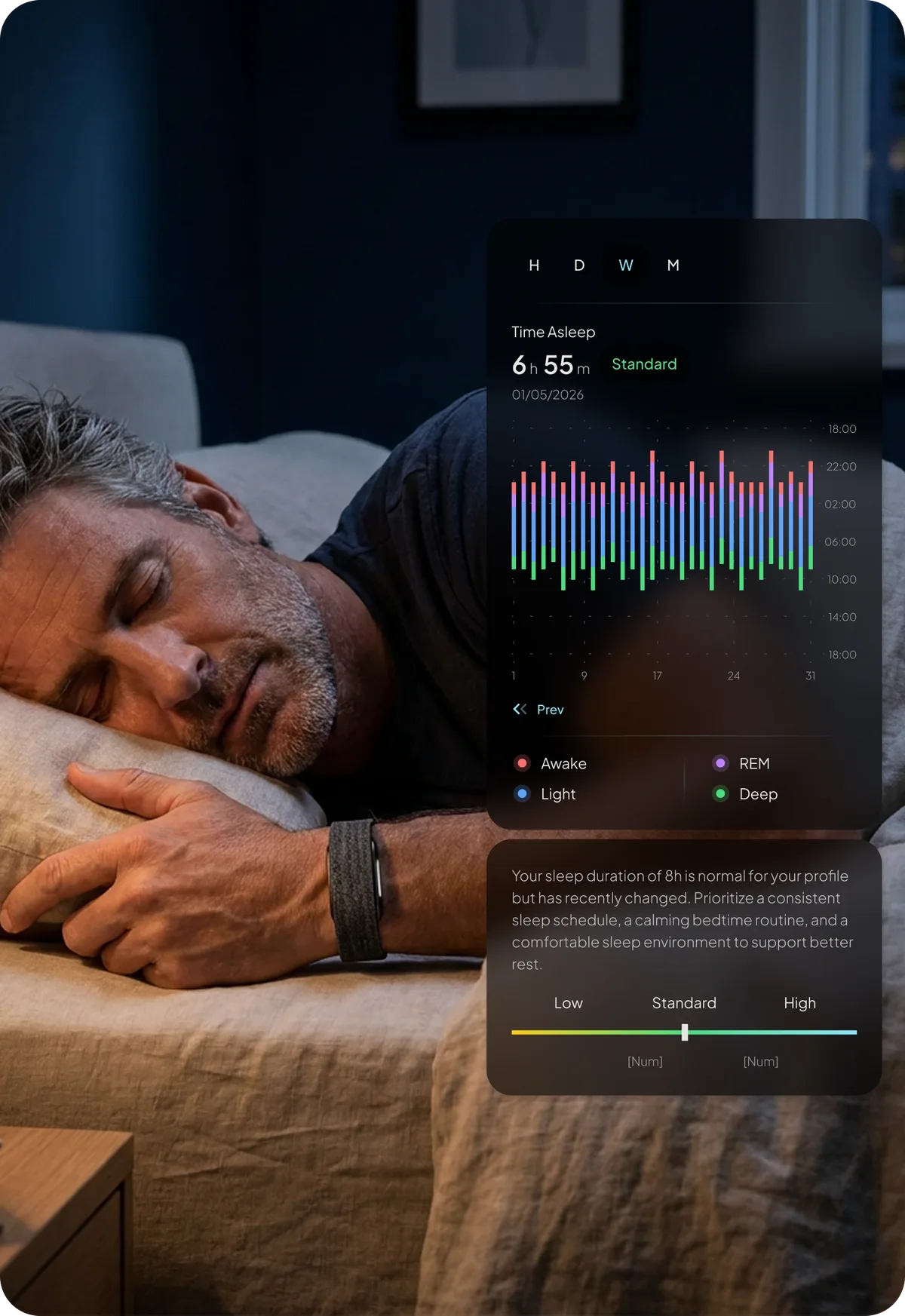
The app experience is what stands out most day to day: daily biomarker breakdowns, a sleep-stage graph, and recovery and strain summaries that pack in more than most trackers in this price range. Users single out the Metabolic Capacity score for catching dips in recovery before they’d otherwise notice them. One reviewer credited it with flagging a chest infection early, another with surfacing a heart-risk signal that a follow-up checkup confirmed.
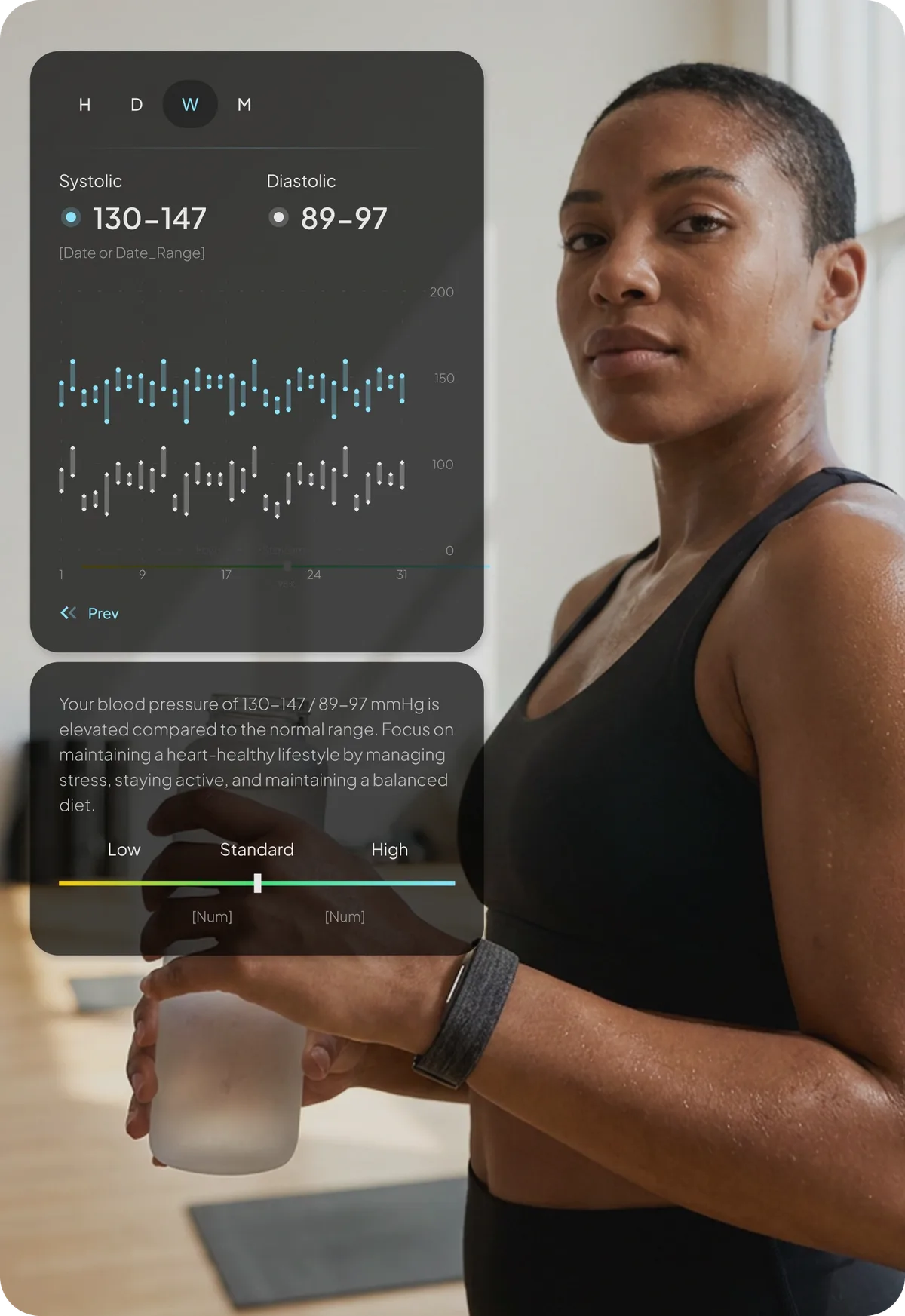
The blood pressure trend tracking is the standout addition on the 2.0 model: cuff-free, continuous readings that make it easy to notice whether a stressful week or a bad night’s sleep is nudging numbers up, without booking a clinic visit just to check.
Addressing the objections honestly
“Is this a medical device?” No. It’s a consumer wearable, not a diagnostic tool, and scores like Metabolic Capacity and Metabolic Momentum are Hume’s own proprietary indices rather than clinical measurements. Treat them as a trend line for your habits, not a lab report. They’re useful for noticing when something’s off, not for replacing a doctor.
“What about the price?” At $199 to $249 (frequently on promotion for less), it’s more upfront than a basic fitness band, but it undercuts a year of Whoop or premium Oura membership, which can run $300 to $480 annually. If you’d keep a subscription tracker for more than a year, the math clearly favors Hume.
Pros and cons
Pros:
- No required subscription to access core biomarkers
- Tracks blood pressure trends and metabolic scores most competitors skip entirely
- Claimed 14-day battery life reduces charging friction
- Data export and ownership, rather than a locked ecosystem
- Undercuts a year of subscription-based competitors on total cost
Cons:
- Full body-composition tracking requires the separately sold Hume Pod
- Like most optical wrist sensors, heart rate readings get a little less precise during heavy, grip-intensive lifting
Verdict
The Hume Band 2.0 earns a 4.8 out of 5. It’s a rare case of a wearable that pairs features its rivals skip (continuous blood pressure trends, a full longevity-focused biomarker suite, no forced subscription) with a price that beats a year of those rivals outright. For anyone who wants an ongoing, detailed picture of their long-term health without a monthly fee, it’s an easy recommendation.