
Katori Titanium Cutting Board Review: The Last Board You'll Buy?
Katori's pure-titanium cutting board resists bacteria, odors, and stains while staying gentle on your knives, a low-maintenance upgrade over wood and plastic.
Jordan Reyes
4.7 / 5
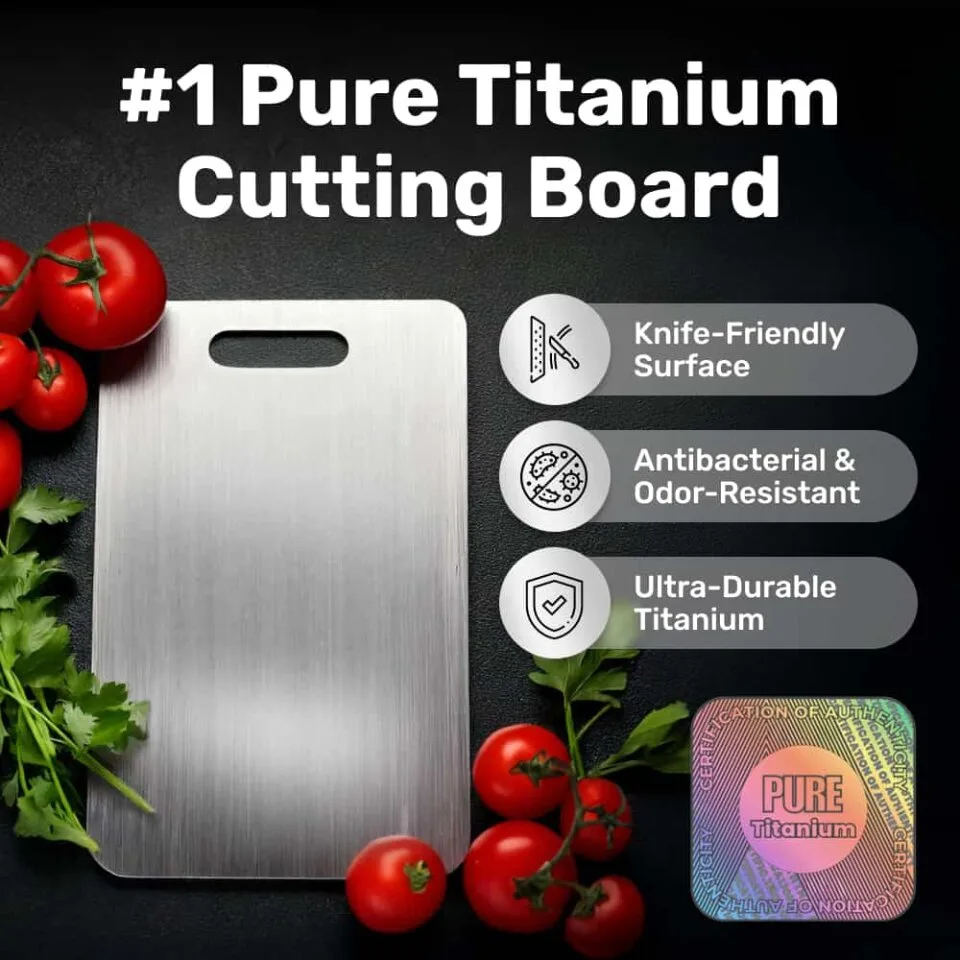
Cutting boards are the one kitchen tool nobody thinks about until theirs starts to smell like last week’s garlic. Wood soaks up odors and hides bacteria in knife grooves. Plastic scratches, stains, and sheds tiny bits into your food over time. Katori’s answer is titanium, the same metal used in surgical tools and aircraft. After digging into what it’s made of and how people actually use it, this is where it lands.
What it is, and who it’s for
Katori is a cutting board made from pure titanium rather than wood, bamboo, or plastic. The pitch is simple. It’s a non-porous metal surface that bacteria can’t burrow into, one that doesn’t hold onto smells or stains and won’t warp. And unlike glass or stone boards, it’s machined to stay friendly to your knife edges instead of chewing them up.
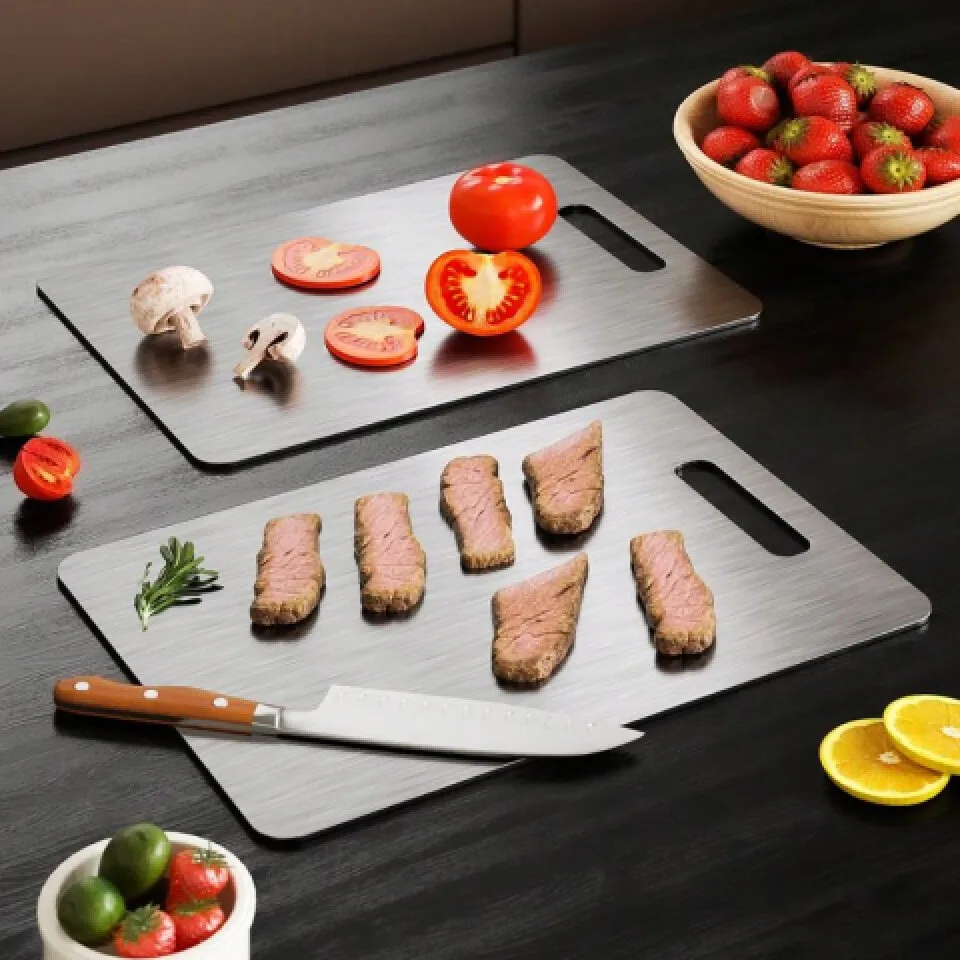
It’s a double-sided board, so you can keep raw meat on one face and vegetables on the other to avoid cross-contamination. It’s light enough to take camping and heat-resistant enough to double as a trivet or an outdoor prep surface. If you’re the kind of cook who’s tired of owning four color-coded plastic boards that all look grimy after six months, this is aimed squarely at you.
Why titanium actually makes sense here
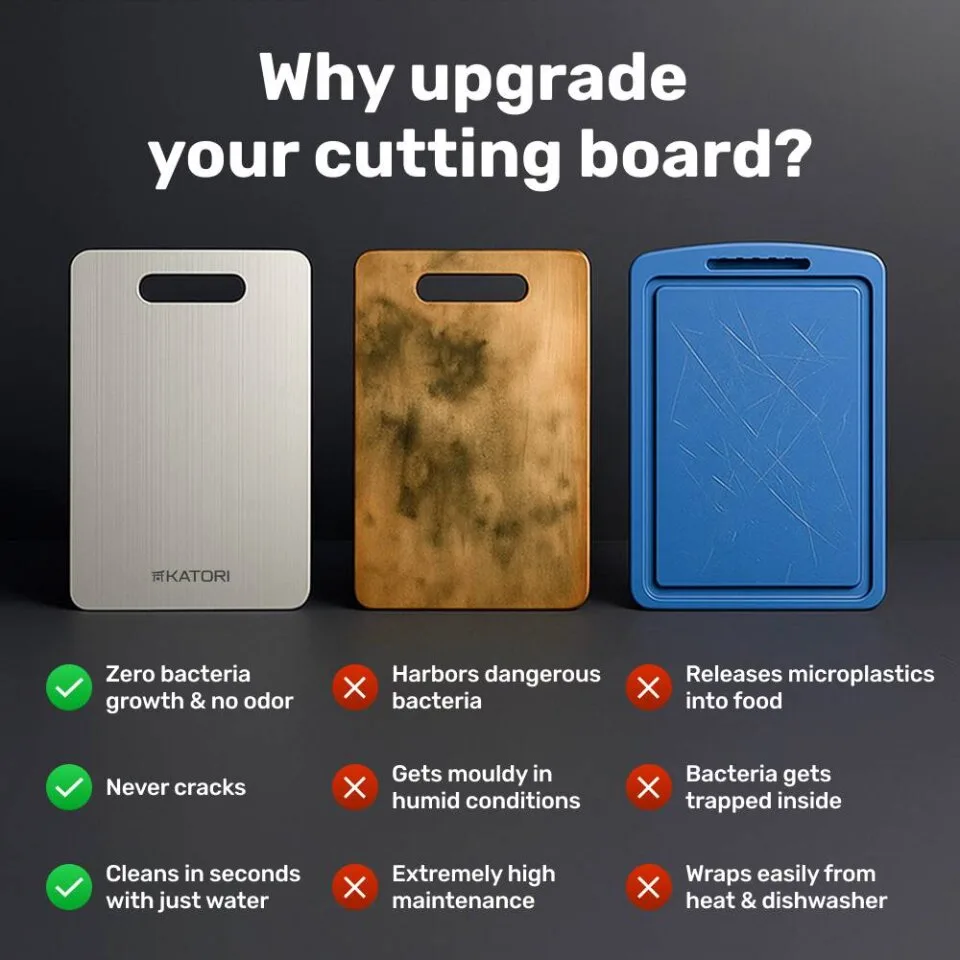
The material choice isn’t just marketing. Titanium is non-porous, so there are no fibers or grooves for bacteria, mold, or moisture to settle into. That’s the exact failure mode that makes old wooden and plastic boards a hygiene problem. It also doesn’t contain BPA or the plasticizers that cheaper boards can shed into food as the surface gets scratched up.
The part that surprised me most is the knife angle. Hard surfaces like glass, stone, and steel are hygienic but brutal on blades, dulling the edge a little more with every chop. Katori’s surface is laser-cut and finished to be gentler than those, so you’re not trading a clean board for constantly re-sharpening your knives. That’s the trade-off that usually sinks metal cutting boards, and it’s the one Katori is built around.
Living with it
The daily-use story is where the appeal clicks. Because nothing soaks in, cleanup is mostly a rinse. There’s no scrubbing food out of knife scars, no oiling or seasoning the way you’d baby a butcher block, and it’s dishwasher-safe when you want to be lazy about it. Owners keep mentioning two things: garlic and onion smells don’t stick around, and the board still looks new after months of heavy use.
The other repeated theme is durability. People describe dropping it, banging it on the counter, and hauling it out camping without it warping, cracking, or staining. Titanium doesn’t really care about that kind of abuse, which is the whole point of paying for it once instead of replacing a plastic board every year.
Is it worth it over a cheap board?
The obvious hesitation is price. A titanium board costs more upfront than a pack of plastic ones or a basic bamboo board, and that’s fair to weigh. It comes down to longevity. A plastic board is basically a consumable you replace as it scratches and stains, while Katori is meant to be bought once. Spread that across the years you’d otherwise spend cycling through replacements, and count the knives you’re not dulling on glass or stone, and the gap narrows a lot.
The other question people ask is whether a metal board feels weird to cut on. It’s a different feel than wood, no arguing that, but the surface is finished for chopping rather than being a bare sheet of steel, and there’s a 30-day money-back guarantee if it turns out not to be for you. That safety net makes the upgrade easier to justify.
Pros and cons
Pros
- Non-porous titanium surface resists bacteria, odors, and stains, a real hygiene upgrade over wood and plastic
- BPA-free and non-toxic, with no plastic bits shedding into your food
- Knife-friendly finish that won’t dull blades the way glass or stone boards do
- Double-sided design keeps raw and cooked foods separate
- Durable and low-maintenance: rinse or dishwasher, no oiling, built to last for years
Cons
- Higher upfront cost than a basic plastic or bamboo board
- The feel of cutting on metal takes a session or two to get used to
The verdict
Katori earns its 4.7 out of 5. It fixes the two things that make people hate their old cutting boards, trapped bacteria and clinging smells, without the knife-wrecking downside that usually comes with a metal or glass board. Price is the only real pause, and the buy-it-once durability plus the money-back guarantee take most of the sting out of that. If you want a cleaner, safer prep surface you won’t be replacing anytime soon, this is an easy one to recommend.